How tDCS Works: The Science Behind the Stimulation
The core principle of tDCS lies in its ability to modulate brain plasticity—the brain’s capacity to reorganise itself by forming new neural connections. During a session, a controlled, gentle tdcs current flows from an anodal (positive) electrode to a cathodal (negative) one. The anodal stimulation increases neuronal excitability, making it easier for neurons to fire, while cathodal stimulation decreases it. For Depression recovery, this is used to reactivate affected brain areas and improve neural communication.
Why is tDCS Used?
tDCS is increasingly used in clinical settings as a safe and effective method for treating various neurological and psychiatric conditions. For Depression, it is particularly valuable because it directly targets the neural circuits responsible for motor control, cognition, and mood. By stimulating these specific areas, tDCS can help accelerate the rehabilitation process, improve functional outcomes, and manage associated symptoms like cognitive fog or mood changes.
Benefits of tDCS for Depression
The application of tDCS in Depression recovery offers a wide range of benefits that address both the physical and cognitive challenges associated with the condition. This targeted treatment helps patients regain independence and improve their well-being by directly enhancing brain function.
Enhancing Neuroplasticity and Recovery
tDCS promotes the brain’s natural ability to heal and adapt after an injury like a stroke. By stimulating neural pathways, it encourages the formation of new connections, which is fundamental to regaining lost functions and accelerating the overall recovery process.
Reducing Symptoms of Depression
Patients with Depression often struggle with motor impairments, spasticity, or speech difficulties. Clinical evidence suggests that tdcs stimulation can help alleviate these specific symptoms by targeting the affected motor and language centres of the brain, leading to tangible improvements in daily activities.
Improving Cognitive Function
Cognitive deficits, such as problems with memory, attention, and executive function, are common after Depression. tDCS can enhance these cognitive abilities by stimulating the prefrontal cortex and other related brain areas, helping patients think more clearly and process information more effectively.
Accelerating Rehabilitation for Depression
When used alongside traditional therapies like physical and occupational therapy, tDCS can significantly speed up rehabilitation. It makes the brain more receptive to learning and change, allowing patients to make faster progress in their recovery care plans.
Minimizing Medication Dependence
By directly improving brain function, tDCS can serve as a powerful complementary treatment, potentially reducing the need for high doses of medication. This can help minimize the side effects often associated with long-term drug therapies.
Enhancing Mood and Mental Well-being
Depression can take a significant toll on a person’s mood, often leading to depression or anxiety. tDCS has been shown to have a positive effect on mood regulation by stimulating brain regions involved in emotional processing, contributing to improved mental wellness.
Prolonging Therapeutic Effects
The benefits of tdcs are not just temporary. Studies indicate that a course of treatment can lead to long-lasting changes in brain function, helping patients maintain their improvements over time and reducing the risk of relapse.
Treatment Accessibility
As a non-invasive and portable technology, tDCS offers a highly accessible treatment option. This is particularly beneficial for patients who may not be candidates for more invasive procedures or require a flexible treatment that can be integrated into their routine.
tDCS Treatment Process for Depression
Understanding the treatment process can help demystify the experience and set clear expectations. At Cadabam’s Hospitals in Mysore, the tDCS process is designed to be comfortable, safe, and tailored to each individual’s needs, from the initial consultation through to the completion of the sessions.
What to Expect During tDCS Sessions
During a typical tDCS session, you will be seated comfortably while a trained technician places small, saline-soaked sponge electrodes on specific areas of your head. Patients usually feel a mild tingling or itching sensation on the scalp as the session begins, which typically fades within a few minutes. Each session lasts about 20-30 minutes, during which you can relax, read, or listen to music.
Setting Up for tDCS: Equipment and Procedure
The setup involves precise placement of electrodes according to a map of the brain tailored to your specific condition. The electrodes are connected to a certified device that delivers the low-level electrical current. Our team at Cadabam’s Spark Hospitals ensures that all equipment is meticulously maintained and calibrated to meet the highest safety standards, guaranteeing a secure and effective procedure.
Choosing the Right tDCS Provider for Depression in Mysore
Selecting the right provider is crucial for ensuring a safe and effective tDCS treatment experience. A reputable provider will have the necessary credentials, experience, and technology to deliver high-quality care.
Accreditation and Licensing
Ensure the clinic is fully accredited and licensed by relevant healthcare authorities. This confirms that the provider adheres to strict national standards for patient safety, quality of care, and ethical practices in administering tDCS treatments.
Experience and Specialization
Look for a provider with a team of neurologists and psychiatrists who have specific experience in using tDCS for Depression. Specialized expertise is critical for creating an effective care plan and accurately targeting the correct brain regions to maximize therapeutic outcomes.
Technology and Equipment
A leading provider uses advanced, FDA-approved, or CE-certified tDCS devices. High-quality technology and well-maintained equipment are essential for delivering a precise and safe electrical current, which is fundamental to the treatment’s success.
Treatment Customization
Effective tDCS treatment is not one-size-fits-all. The best providers conduct a thorough assessment to create personalised care plans that are tailored to your unique symptoms, medical history, and recovery goals, ensuring the treatment is optimized for you.
Support Services
Recovery from Depression requires comprehensive support. A top-tier provider offers integrated services, including counselling, psychotherapy, and physical therapy, to support your journey and enhance the effects of tDCS treatment.
Why Choose Cadabam’s tDCS Treatment for Depression in Mysore
At Cadabam’s Hospitals, we combine cutting-edge technology with compassionate, multidisciplinary care to offer the premier tDCS treatment for Depression in Mysore. Our approach is centred on creating personalised, effective, and supportive recovery journeys for every patient.
Expert Team Specialized in tDCS for Depression
Our team consists of highly experienced neurologists, psychiatrists, and technicians who specialize in neuromodulation therapies. Their deep expertise ensures that your tDCS care plan is designed and administered with precision and care, tailored specifically for Depression recovery.
State-of-the-Art Facilities and Supportive Environment for Depression
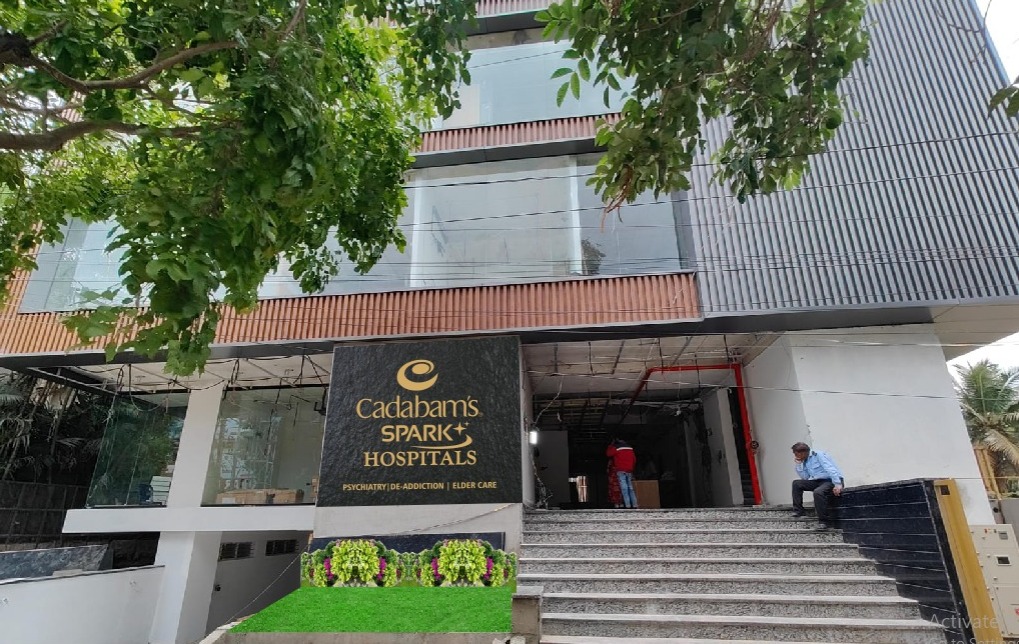
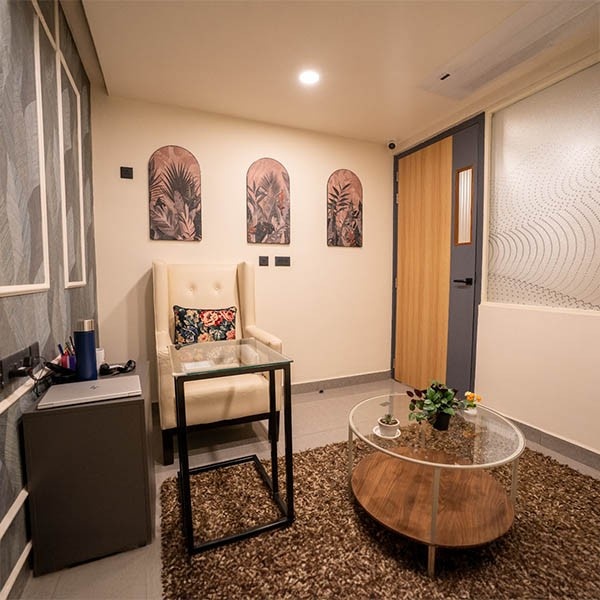
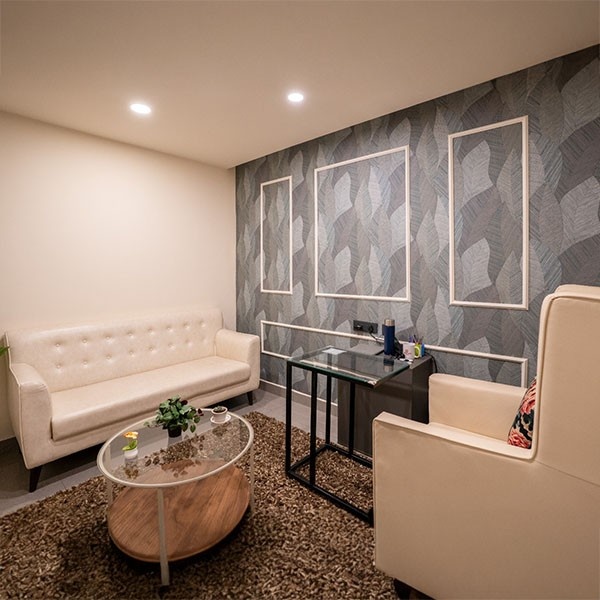
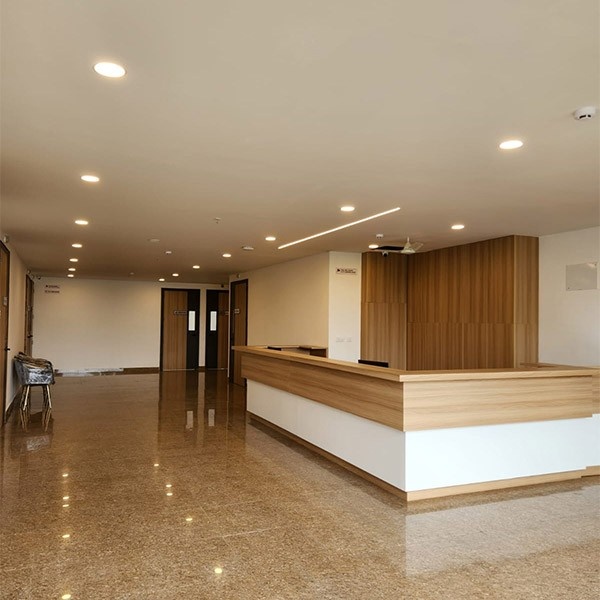
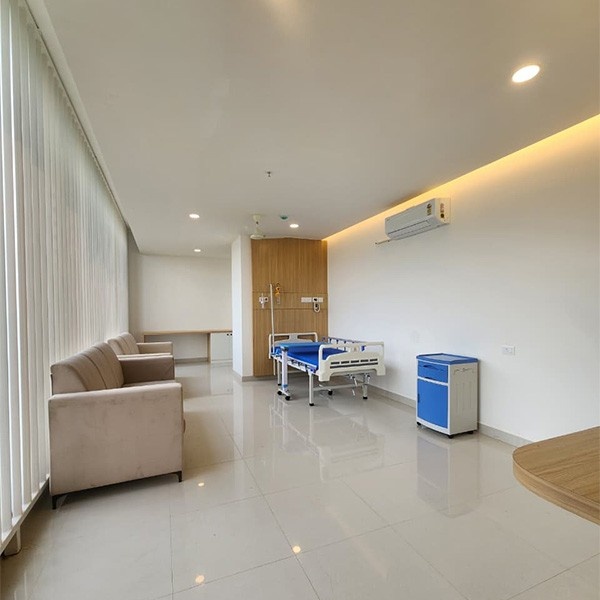
Cadabam’s Spark Hospitals provides a modern, safe, and comfortable environment for your treatment. Our advanced facilities are designed to promote healing and well-being, allowing you to relax and focus on your recovery.
Incorporating Holistic Approaches in tDCS Treatment for Depression
We believe in a holistic path to recovery. Our tDCS treatment is integrated with other therapeutic modalities, including cognitive-behavioural therapy (CBT), physical therapy, and lifestyle coaching, to address all aspects of your well-being and achieve lasting results.
Assessment and Personalized Treatment Planning for Depression
Your journey with us begins with a comprehensive assessment to understand your specific needs. Based on this, we develop a highly personalized care plan that maps out your tDCS sessions and complementary therapies to ensure you receive the most effective treatment possible.
Ongoing Support and Monitoring for Depression
Recovery is an ongoing process. We provide continuous support and closely monitor your progress throughout your treatment and beyond. Our team is always here to guide you, adjust your care plan as needed, and empower you on your path to recovery.
Ready to explore how tDCS can aid in your Depression recovery? Contact Cadabam’s Spark Hospitals today to schedule a consultation.
Call us at +9190710 35960 or email us at info@cadabamshospitals.com.
Top Depression Doctors at Cadabam’s Hospitals
Psychiatrist in Hyderabad | Psychiatrist in Mysore | Psychologist in Bangalore | Psychologist in Bangalore | Psychologist in Hyderabad | Psychologist in Mysore | Therapist in Bangalore | Therapist in Hyderabad | Therapist in Mysore
Rehabilitation Centres For Depression at Cadabam’s Hospital
Rehabilitation Care Bangalore | Rehabilitation Care Hyderabad | Rehabilitation Care Mysore
Best Depression Treatments Offered at Cadabams
Counselling Bangalore | Counselling Mysore | Online-Counselling in Bangalore | Online-Counselling in Hyderabad | RTMS Bangalore | RTMS Hyderabad | RTMS Mysore | ECT Therapy Bangalore | ECT Therapy Hyderabad | ECT Therapy Mysore | Group Therapy Bangalore | Group Therapy Hyderabad | Group Therapy Mysore | Biofeedback Bangalore | Biofeedback Hyderabad | Biofeedback Mysore | Neurofeedback Bangalore | Neurofeedback Hyderabad | Neurofeedback Mysore | Family Therapy Bangalore | Family Therapy Hyderabad | Family Therapy Mysore | Home Services Bangalore | Home Care Hyderabad | Home Care Mysore | PsychoTherapy Bangalore | PsychoTherapy Hyderabad | PsychoTherapy Mysore | CBT Bangalore | CBT Hyderabad | CBT Mysore | REBT Bangalore | REBT Hyderabad | REBT Mysore | Emergency Bangalore | Emergency Hyderabad | Emergency Mysore | Direct Cranial Stimulation Bangalore | Direct Cranial Stimulation Hyderabad | Post Rehabilitation Care Bangalore | Post Rehab Care Hyderabad | Post Rehab Care Mysore
More Additional Resources About Depression
Postpartum Depression Signs and Symptoms in Men(And Treatments) | Everything you need to know about Childhood Depression | ADHD & Depression: Connection, Causes, Risk & Treatment | Manic Depression Treatment for Bipolar Disorder | Recognising Depression in Men | Postpartum Depression (PPD) in Women | Distinguishing Anxiety and Depression | Learning to Spot the Manic Depression Symptoms in Adults | Depression in Teens | Key Signs of Suicidal Thoughts in Teens & Young Adults | Bipolar Depression in Children: Signs, Causes & Treatment | How Alzheimer’s and Depression Are Connected | The Connection Between Chronic Pain and Depression | Treatment-Resistant Depression | Sleep Disorders and Depression | Early signs of depression: How to identify it? | Battling Clinical Depression While Parenting | Geriatric Depression | Psychotic Depression
Frequently Asked Questions
What is tDCS and how does it help treat Depression?
Transcranial Direct Current Stimulation (tDCS) is a non-invasive brain stimulation technique that uses a low electrical current to modulate brain activity. For Depression, it helps by stimulating nerve cells in the parts of the brain responsible for motor function and cognition, which can enhance neuroplasticity and accelerate the recovery of lost functions.
How many tDCS sessions are typically needed for Depression?
The number of sessions varies depending on the individual’s condition and recovery goals. A typical care plan may involve daily sessions for 2-4 weeks. Our specialists at Cadabam’s Spark Hospitals will create a personalised schedule after a thorough assessment.
How long does it take to see results from tDCS treatment for Depression?
Some patients may notice subtle improvements within the first few weeks of treatment, while for others, the benefits may become more apparent as they progress through their rehabilitation and therapy. Consistency is key to achieving optimal and lasting results.
What kind of support does Cadabam’s offer to patients undergoing tDCS for Depression?
Cadabam’s Spark Hospitals offers a comprehensive support system that includes one-on-one consultations with neurologists, psychological counselling, physical and occupational therapy, and continuous progress monitoring. Our holistic approach ensures all aspects of your recovery are addressed.
Is tDCS expensive?
The cost of tDCS can vary. At Cadabam’s Hospitals, we are committed to providing accessible care and can discuss various options and care plan structures to suit your needs. We recommend scheduling a consultation to receive detailed information on a plan designed for you.
 Available