How tDCS Works: the Science Behind the Stimulation
The core principle of tDCS involves modulating the resting membrane potential of neurons. By delivering a mild tdcs current through electrodes, the treatment can either increase (anodal stimulation) or decrease (cathodal stimulation) neuronal excitability in the targeted brain region. For Alcohol Addiction, this process can help rebalance brain circuits involved in reward, self-control, and cravings, which are often dysregulated. This targeted tdcs stimulation encourages healthier brain patterns, supporting long-term recovery efforts.
Why Is tDCS Used?
tDCS is increasingly used in clinical settings because of its safety profile and its ability to induce neuroplasticity—the brain’s capacity to reorganise and form new connections. It serves as a powerful tool alongside conventional therapies to enhance treatment outcomes. For conditions like Alcohol Addiction, it is used to directly address the neurological underpinnings of the disorder, helping to reduce cravings, improve cognitive control, and stabilise mood, thereby providing a more comprehensive approach to recovery.
Benefits of tDCS for Alcohol Addiction
Utilising tdcs as part of a structured treatment plan can offer significant advantages for individuals on the path to recovery from Alcohol Addiction.
Enhancing Neuroplasticity and Recovery
tDCS promotes the brain’s ability to adapt and rewire itself. This is vital for recovery from Alcohol Addiction, as it helps forge new, healthier neural pathways, breaking the cycle of dependence and facilitating lasting behavioural change.
Reducing Symptoms of Alcohol Addiction
By targeting brain regions responsible for cravings and impulse control, this therapy can significantly reduce the urge to consume alcohol. This helps individuals manage triggers more effectively and maintain their commitment to sobriety.
Improving Cognitive Function
Chronic alcohol use often impairs cognitive functions like memory, attention, and executive decision-making. tDCS can help enhance these abilities, empowering individuals to engage more fully in their therapy and daily lives.
Accelerating Rehabilitation for Alcohol Addiction
When integrated into a comprehensive rehabilitation plan, tDCS can accelerate progress. By improving cognitive function and reducing cravings, it helps patients achieve recovery milestones faster and more effectively.
Minimizing Medication Dependence
As a non-pharmacological intervention, tDCS can be a valuable component of an integrated care plan, potentially reducing the reliance on certain medications and their associated side effects by directly improving brain function.
Enhancing Mood and Mental Well-Being
Alcohol Addiction often co-occurs with depression and anxiety. tDCS has been shown to have mood-enhancing effects, helping to alleviate these co-occurring symptoms and improve overall mental well-being.
Prolonging Therapeutic Effects
The neuroplastic changes induced by a course of tDCS can be durable. This helps individuals maintain their recovery gains over the long term, reducing the risk of relapse and supporting sustained sobriety.
Treatment Accessibility
The non-invasive and portable nature of tDCS technology makes it a highly accessible treatment option. Sessions are convenient, comfortable, and can be easily integrated into a patient’s regular treatment schedule.
tDCS Treatment Process for Alcohol Addiction
Undergoing tDCS at Cadabam’s Spark Hospitals is a structured and patient-centric process designed for safety, comfort, and maximum therapeutic benefit.
What to Expect During tDCS Sessions
During a typical 20–30 minute session, you will be comfortably seated while our trained technician places saline-soaked sponge electrodes on specific areas of your scalp. As the device is activated, you might feel a mild tingling or itching sensation, which usually fades within a few minutes. The procedure is painless, and you can relax, read, or listen to music throughout the session.
Setting Up for tDCS: Equipment and Procedure
We use cutting-edge, certified equipment to ensure precision and safety. The setup involves mapping the precise electrode placements based on your individualised treatment plan. The device then delivers a controlled, low-intensity tdcs current to modulate brain activity in the targeted regions, a process managed and monitored by our expert team.
Choosing the Right tDCS Provider for Alcohol Addiction in Mysore
Selecting a qualified provider is crucial for a safe and effective treatment journey. Here are key factors to consider when choosing a tDCS provider in Mysore.
Accreditation and Licensing
Ensure the clinic is fully accredited and licensed. This guarantees that the Hospitals adhere to stringent national standards for safety, quality of care, and ethical practices in administering treatments like transcranial direct current stimulation.
Experience and Specialization
Look for a provider with a proven track record and specialised expertise in using tDCS for Alcohol Addiction. An experienced team understands the nuances of the condition and can tailor the treatment for optimal outcomes.
Technology and Equipment
Advanced, well-maintained technology is non-negotiable. Leading providers use certified, state-of-the-art tDCS devices to ensure precise current delivery and patient safety throughout the treatment.
Treatment Customization
Effective tDCS treatment is not one-size-fits-all. A top-tier provider will conduct a thorough assessment to create a personalised treatment plan that addresses your specific symptoms, brain function, and recovery goals.
Support Services
Recovery from Alcohol Addiction requires comprehensive support. Choose a provider that offers integrated services, including psychotherapy, counselling, and family support, to complement the tDCS treatment and promote holistic healing.
Why Choose Cadabam’s Hospitals tDCS Treatment for Alcohol Addiction in Mysore
Cadabam’s Hospitals stands as a leader in mental healthcare in Mysore, offering advanced and compassionate treatment for Alcohol Addiction.
Expert Team Specialized in tDCS for Alcohol Addiction
Our multidisciplinary team of psychiatrists, neurologists, and certified technicians possesses deep expertise in neuromodulation. We are dedicated to applying the latest research to provide effective, specialised care for Alcohol Addiction.
State-of-the-Art Hospitals and Supportive Environment for Alcohol Addiction
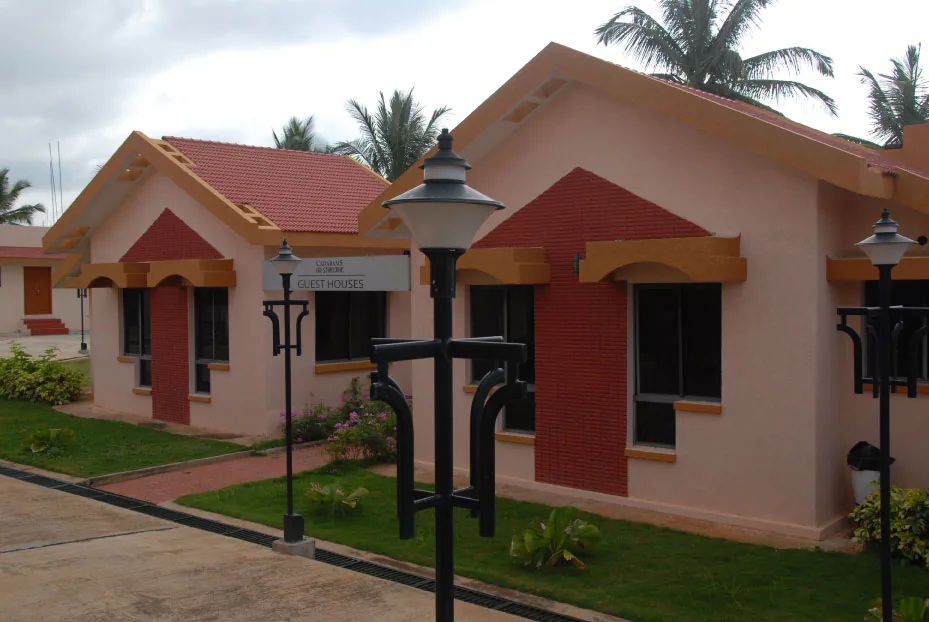
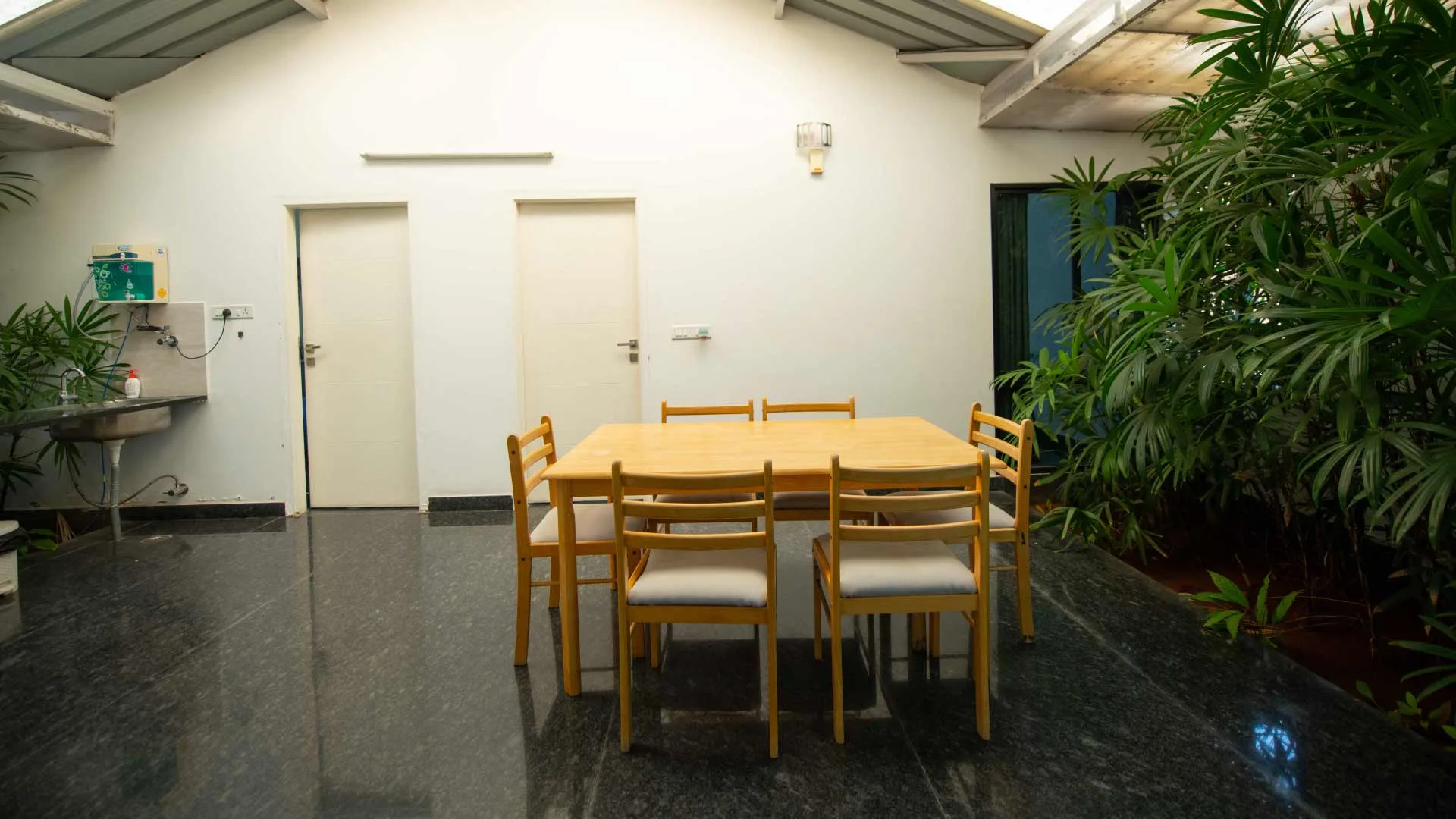
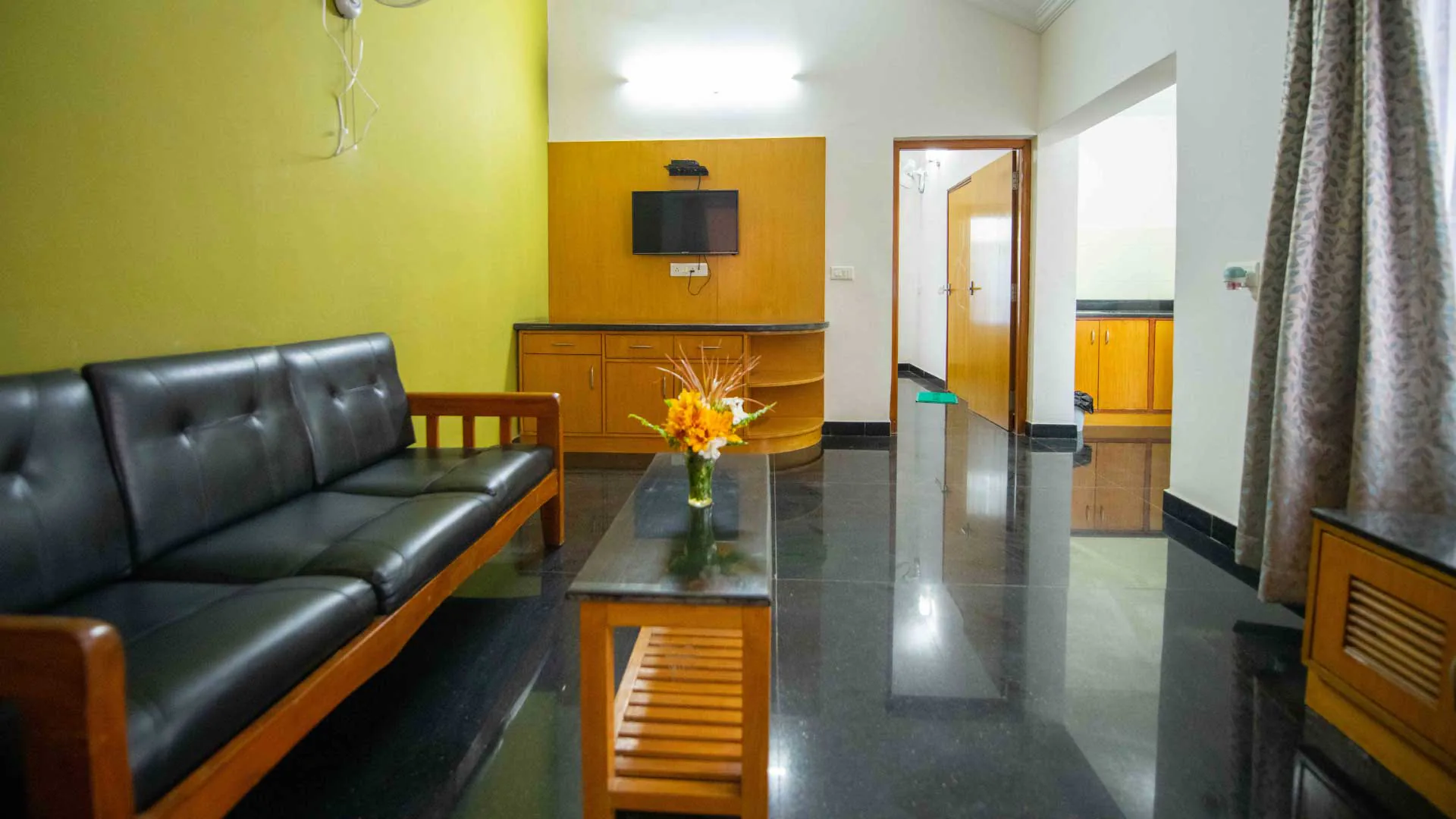
At Cadabam’s Spark Hospitals, we provide a premium, safe, and nurturing environment. Our modern Hospitals are designed to ensure your comfort and privacy, creating a positive atmosphere conducive to healing and recovery.
Incorporating Holistic Approaches in tDCS Treatment for Alcohol Addiction
We believe in treating the whole person, not just the symptoms. Our approach integrates tDCS with evidence-based therapies like CBT, individual counselling, and wellness practices to ensure a comprehensive and sustainable recovery.
Assessment and Personalized Treatment Planning for Alcohol Addiction
Your journey at Cadabam’s Spark Hospitals begins with a comprehensive assessment. This allows us to develop highly personalised care plans that tailor the tDCS protocol and other therapeutic interventions to your unique needs.
Ongoing Support and Monitoring for Alcohol Addiction
Recovery is an ongoing journey. We provide continuous monitoring and long-term support to help you maintain your progress, prevent relapse, and thrive in your sobriety. Our team is committed to being your partner in health every step of the way.
Ready to explore a modern approach to Alcohol Addiction recovery? Contact Cadabam’s Hospitals in Mysore today to learn more about our tDCS treatment.
Call us at +9190710 35960 or email us at info@cadabamshospitals.com.
Top Alcohol Addiction Doctors at Cadabam’s Hospitals
Alcohol Addiction Rehabilitation
Best Alcohol Addiction Treatments Offered at Cadabam’s Hospitals
More Additional Resources