Welcome to Cadabam's Hospitals

Repetitive Transcranial Magnetic Stimulation: A New Hope for Alcohol Addiction Patients

Alcohol addiction is a complex condition that affects the brain's neurocircuitry, making recovery a challenging journey. For those in Mysore seeking innovative and effective solutions, repetitive transcranial magnetic stimulation (rTMS) offers new hope. This advanced, non-invasive therapy targets the specific brain areas involved in addiction, helping to reduce cravings and support long-term sobriety. This article explores how rTMS works and its benefits for individuals with alcohol addiction.

Get started with therapy sessions in Mysore.

33+YearsProfessionalExperience

4.5 564 Google reviews

What Is rTMS?

Repetitive Transcranial Magnetic Stimulation is a non-invasive medical procedure that uses magnetic fields to stimulate specific nerve cells in the brain. It is an FDA-approved treatment for various neurological and mental health conditions. By precisely targeting underactive or overactive regions of the brain, a course of rTMS treatment can help restore normal brain function, offering a modern approach to treating conditions like alcohol addiction.

How Does Repetitive Transcranial Magnetic Stimulation Work?

During an rTMS session, an electromagnetic coil is placed against the scalp near the forehead. The coil delivers gentle magnetic pulses that pass painlessly through the skull and stimulate nerve cells in the brain region associated with mood control and cravings, such as the prefrontal cortex. This stimulation helps re-regulate neural activity, which can significantly reduce the urge to consume alcohol and improve mood.

How rTMS Differs From Other Brain Stimulation Techniques

Unlike Electroconvulsive Therapy (ECT) or Deep Brain Stimulation (DBS), rTMS is non-invasive and does not require surgery, hospitalization, or anesthesia. Patients remain awake and alert throughout the short sessions and can return to their daily activities immediately afterward. This makes it a safer and more convenient option with fewer side effects.

The Cadabam’s Hospitals Difference

Why Cadabam’s Hospitals? What Makes Us Different?

Through our 8 specialty centers offering top-notch treatments across the nation, we have been helping thousands of people improve the quality of their lives.

33+

Years of Experience

10,000+

Happy Families

20+

Treatment Modalities

400+

Mental Health Experts

With over 33 years of expertise and knowledge, we promise to provide our clients the treatment that suits them the best. Whether the case involves substance addiction, alcoholism, sleeping issues, bipolar disorder, or schizophrenia, our experts know how to handle it in a way that it’s in the best interest of the client and their family.

Our state-of-the-art infrastructure, experienced professionals, and strong support system enable us to offer world-class evidence-based treatment that fits all stages and types of mental health concerns that you may have.

At Cadabam’s Hospitals, we’ve always got your back.

Expert Talks

Watch our specialists discuss the therapy in their own words.

Cadabam's Group

How can Caregivers Express Frustration Without Demotivating an Addict? \| Family Meet

Cadabam's Group

Is Alcoholism a disease? – Cadabam’s Hospitals

Cadabam's Group

Is Alcoholism genetic? – Cadabam’s Hospitals

Cadabam's Group

Can Bipolar Disorder be Treated? \| Answered By Experts

Recovery Stories

Courage, recovery, and hope — shared by the people we have walked alongside.

Recovery Story

Success Story of Drug De Addiction \| Recovery Story at Cadabam’s Hospitals

Recovery Story

Overcoming Alcohol Addiction \| A Powerful Recovery Story from Cadabam’s Hospitals De-Addiction Center

Recovery Story

My Addiction Recovery Story

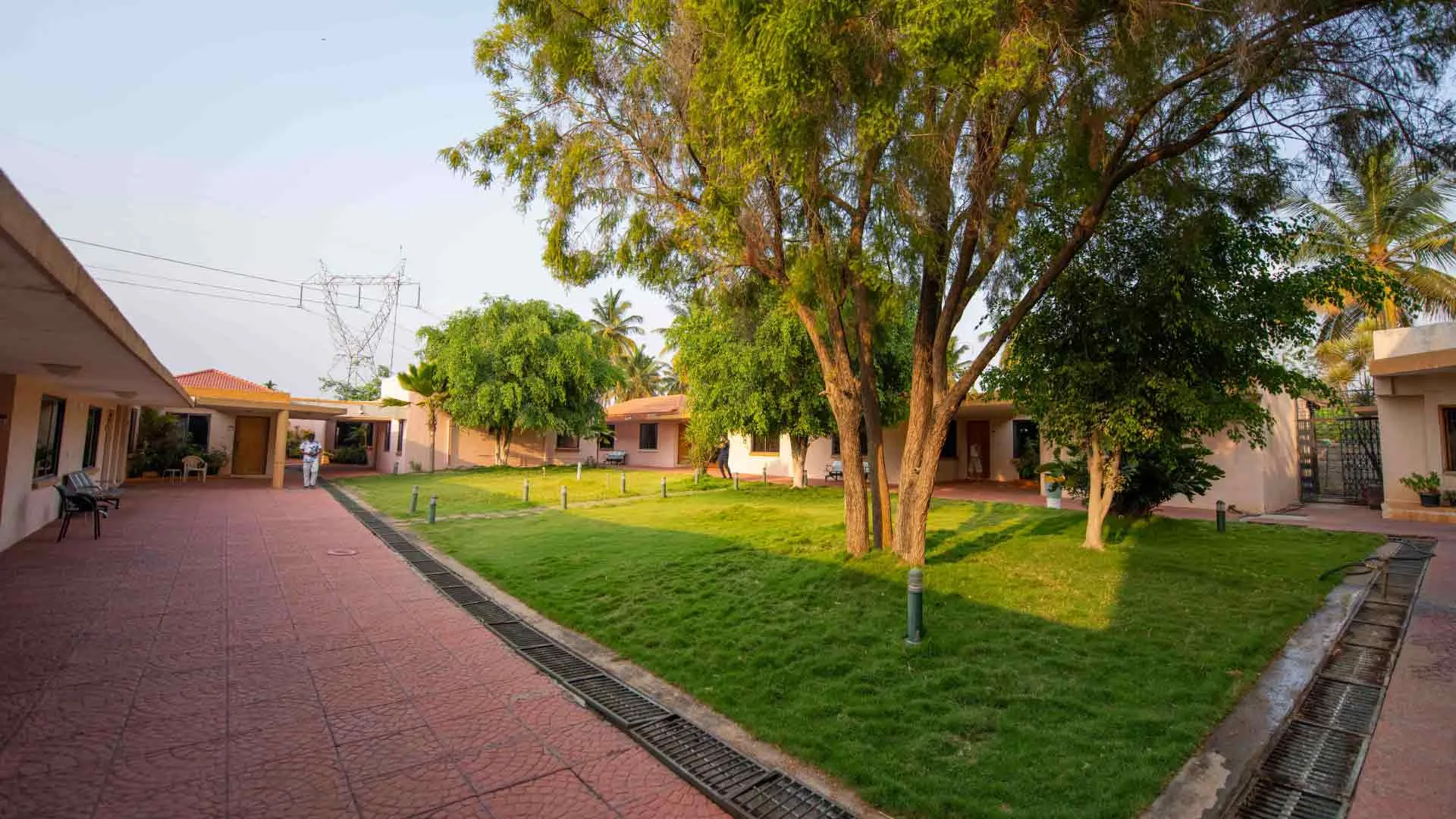
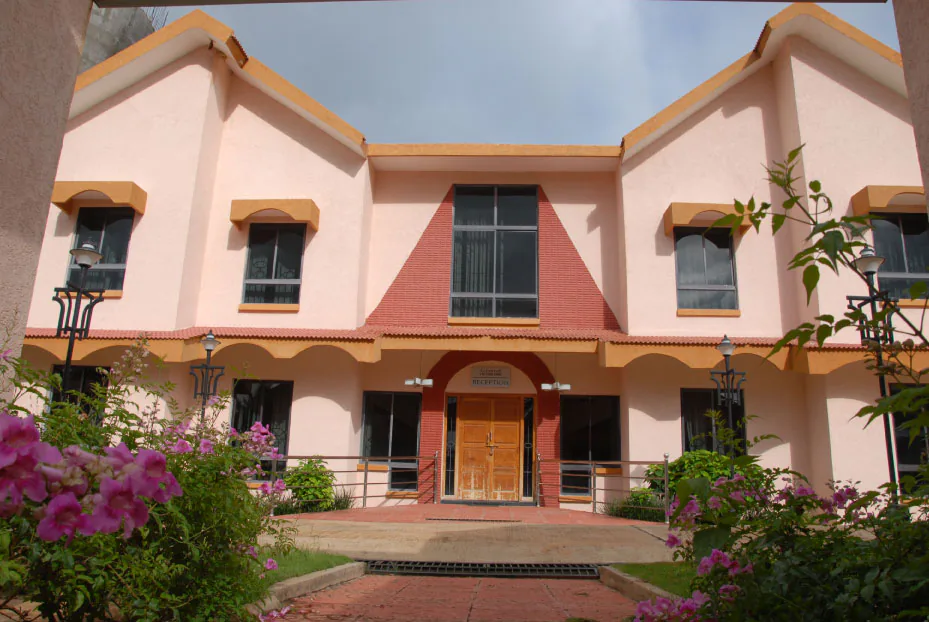
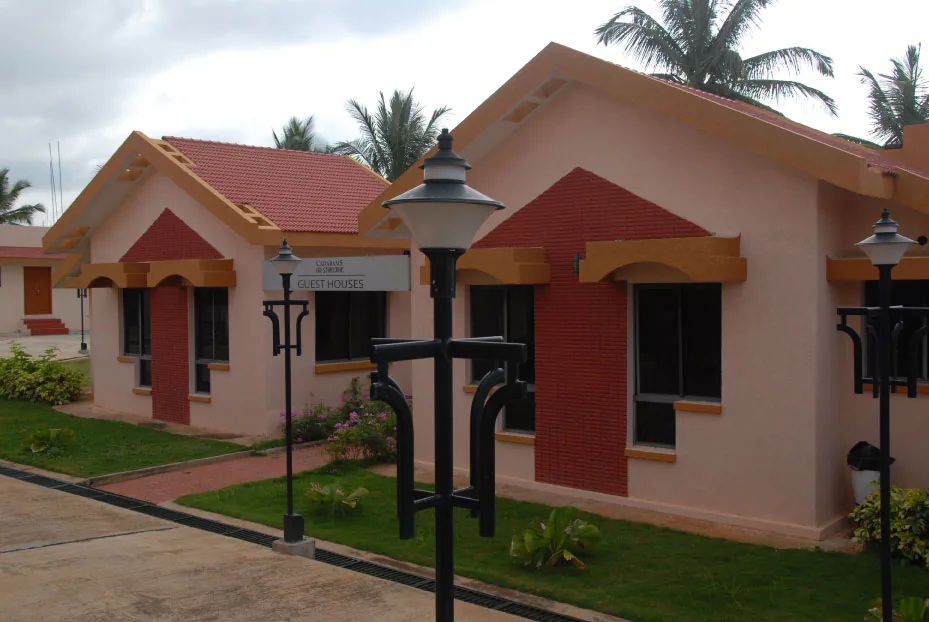
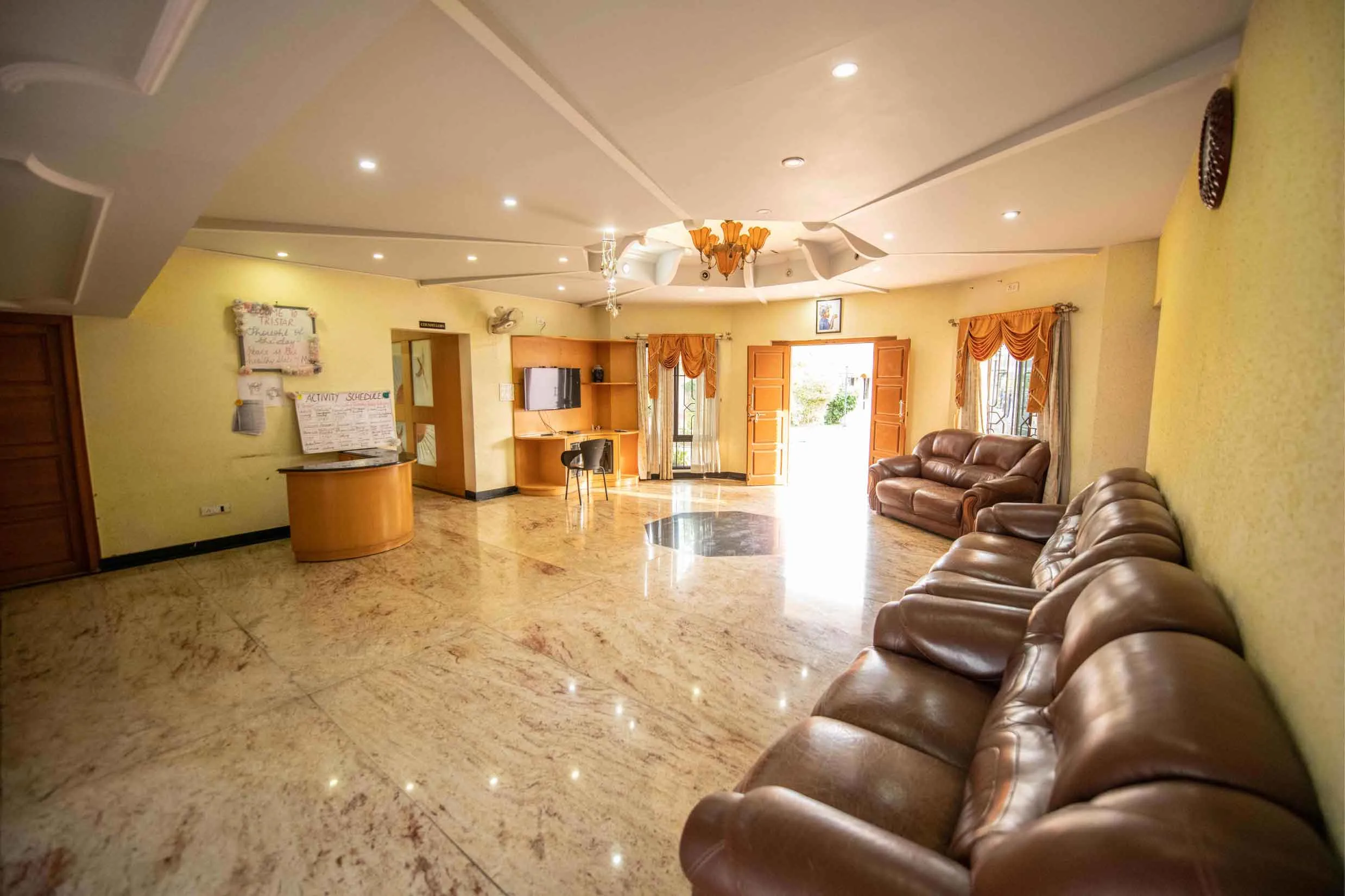
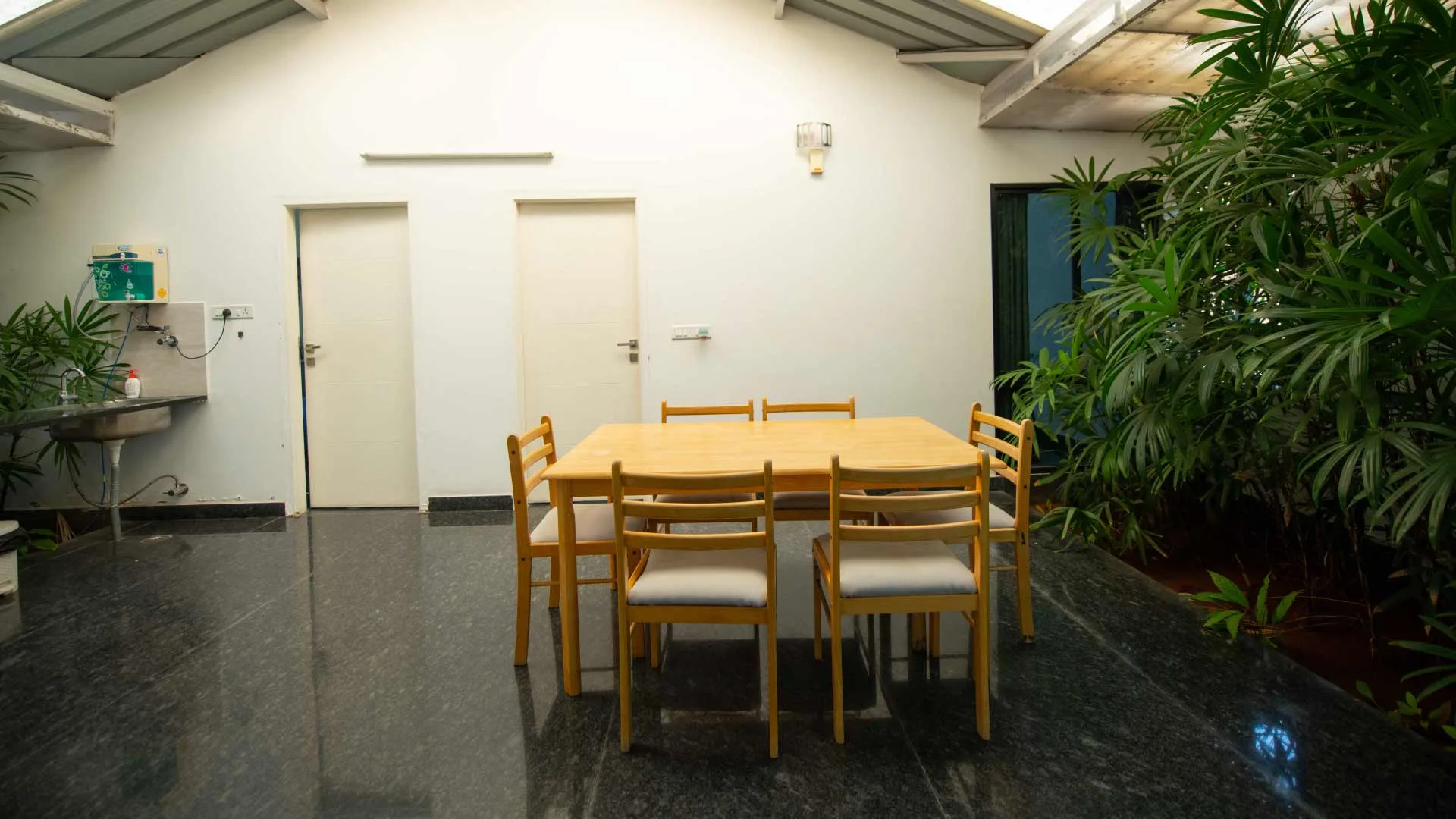
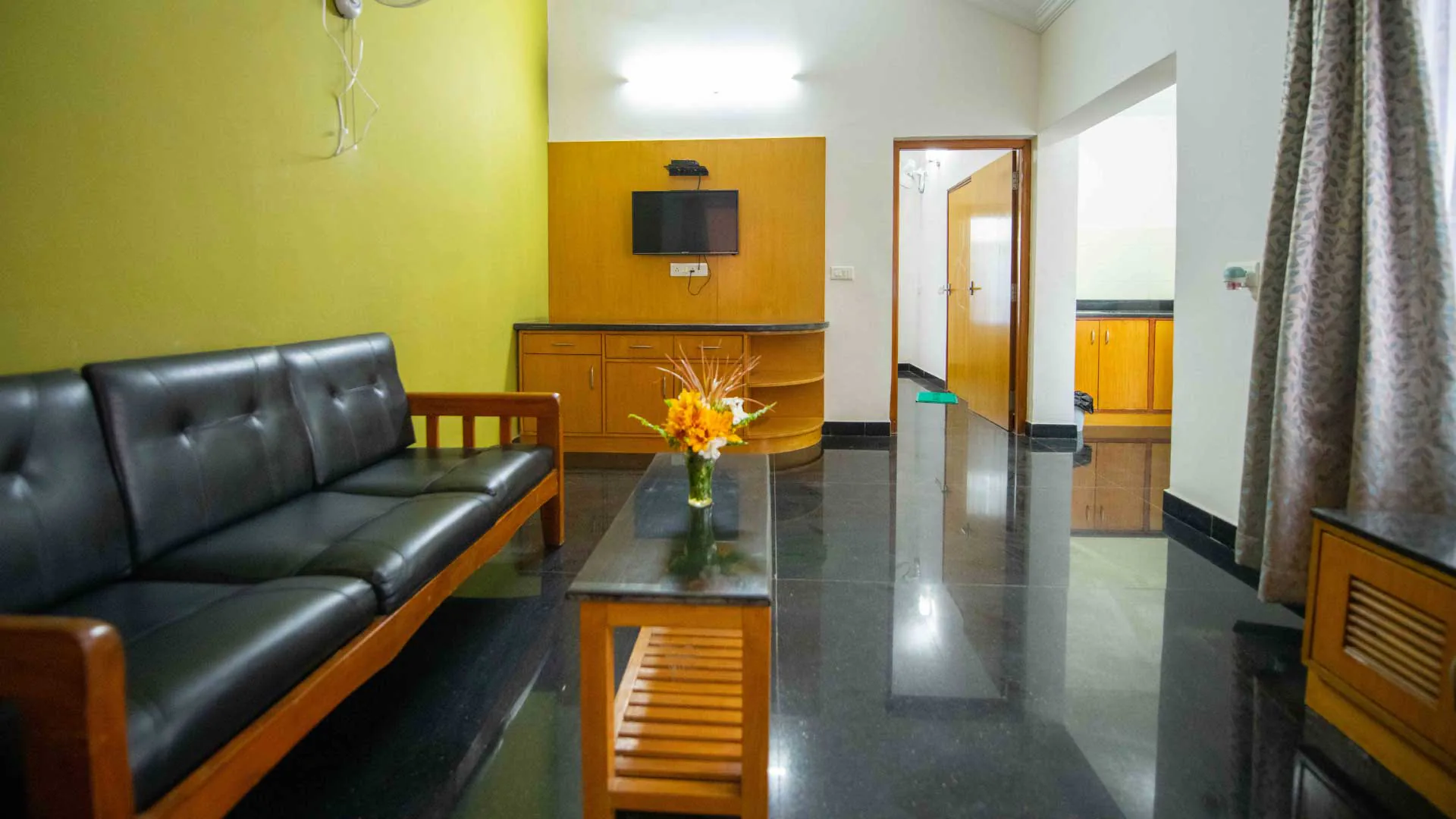
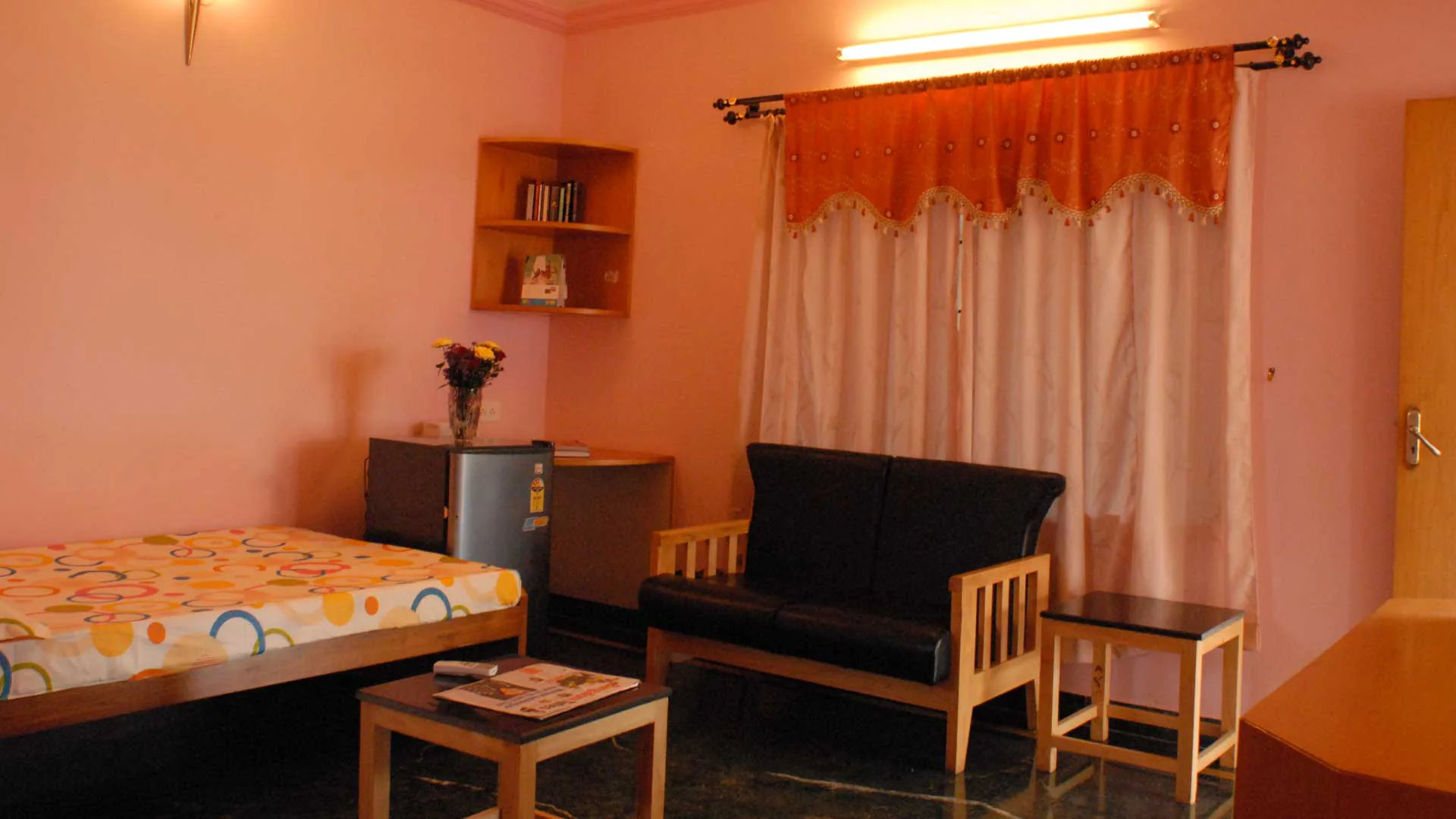
Our Infrastructure, Care Facilities and Strong Community Support Ensure Better Patient Outcomes

Purpose-built rehabilitation centres, clinical equipment, and support services designed to drive better patient outcomes.

Ananya Campus

Ananya Campus

Ananya Rehabilitation Centre

Ananya Rehabilitation Centre

Private Cottages

Private Cottages

Campus Entrance

Campus Entrance

Healing Environment

Healing Environment

Hospital Lobby

Hospital Lobby

Recovery Experience

Recovery Experience

Rehab Unit

Rehab Unit

What Our Clients Have To Say

Real stories from the families and individuals we’ve supported on their path to well-being.

5.0
I have been consulting the doctors at Cadabam’s Hospitals for over 6 months now for my father who has dementia. The doctors and staff at the hospital are very polite and kind and have provided excellent support and care right from day one. They not only explain the treatment plan thoroughly but also take out the time to make sure we understand complications and side effects that could come along the way. If you or your loved one is dealing with any mental health issues, I highly recommend Cadabam’s Hospitals.... Read More
P

Priya R.

Verified patient

5.0
I’m very happy with the doctors, medical staff, and facilities at Cadabam’s Hospitals. Apart from being highly skilled in the field, the doctors and other medical staff are also very patient and supportive. Right from diagnosing the issue to prescribing medicines and creating the perfect treatment plan, they are with you every step of the way. I am glad I reached out to the team at Cadabam’s Hospitals for counseling sessions.... Read More
N

Neha D.

Verified patient

5.0
I have observed great improvements in my son who has autism. The treatment plan created by the doctors has helped reduce the symptoms and he now is slowly learning new skills that assist him in his day-to-day activities. I cannot thank the team at Cadabam’s Hospitals enough for giving my son the opportunity to have a happy and healthy childhood.... Read More
K

Kavya I.

Verified patient

Trusted by 10,000+ families · 4.5 ★ on Google Reviews

Why Is rTMS Used?

This part will explore the clinical applications of rTMS, particularly its role in treating alcohol addiction. We’ll discuss how it targets the neural circuits involved in craving and addictive behaviors, providing a valuable alternative for patients who haven’t responded well to traditional therapies or medications.

Benefits of rTMS for Alcohol Addiction

Explore the significant advantages that rTMS treatment offers to individuals struggling with alcohol addiction. This section will detail improvements in symptoms, cognitive function, and overall quality of life, showcasing it as a promising therapeutic option.

Symptom Improvement for Alcohol Addiction Through rTMS

Clinical evidence shows that rtms therapy can significantly reduce alcohol cravings, which is a major trigger for relapse. By modulating the brain’s reward pathways, the treatment helps individuals gain better control over their impulses and manage withdrawal symptoms more effectively.

Psychological and Physical Benefits of rTMS

Patients often report improved mood, reduced anxiety, and better sleep after undergoing treatment. These psychological benefits contribute to a stronger foundation for recovery. Physically, gaining control over addiction leads to better overall health and well-being.

Cognitive Enhancement for Alcohol Addiction

Chronic alcohol use can impair cognitive functions. rTMS has been shown to improve mental clarity, attention, and executive functions like decision-making by stimulating key areas of the prefrontal cortex, empowering individuals to make healthier choices.

Long-Term Effectiveness for Alcohol Addiction

Studies suggest that the benefits of rTMS can be long-lasting. When integrated into a comprehensive care plan, the treatment can help sustain recovery, reduce the likelihood of relapse, and support a journey toward lasting sobriety.

Enhanced Quality of Life for Alcohol Addiction

By alleviating the core symptoms of addiction, rTMS helps individuals rebuild their lives. Patients often experience improved relationships, better performance at work or school, and a renewed sense of purpose and engagement in life.

Reduced Need for Medication

For some patients, rTMS can reduce the reliance on certain medications used to manage cravings or co-occurring mood disorders. This is particularly beneficial for those who experience undesirable side effects from pharmacological treatments.

Accessibility and Convenience

rTMS sessions are conducted on an outpatient basis at our Mysore Hospitals. Each session typically lasts 20-40 minutes, and patients can drive themselves to and from appointments without any downtime, making it easy to fit into a regular schedule.

What to Expect During Your rTMS Sessions for Alcohol Addiction in Mysore

This practical guide will walk patients through the entire rtms therapy process at our Mysore Hospitals. From initial consultation to the procedure itself and aftercare, we aim to demystify the experience and set clear expectations.

Preparing for rTMS: Steps Before Your First Session

Your journey begins with a comprehensive psychiatric evaluation to confirm your diagnosis and determine if rTMS is the right fit. Before the first session, our team will perform “brain mapping” to identify the precise location for stimulation, ensuring your treatment is tailored to your unique neural activity.

Aftercare and Follow-Up

After completing your course of treatment, our clinical team will schedule follow-up appointments to monitor your progress. These sessions, combined with ongoing psychological support, are a crucial part of our care plans to ensure you maintain the benefits and continue on your path to recovery.

Emotional Resilience and Psychological Support During rTMS for Alcohol Addiction

Undergoing any new treatment can be emotionally taxing. This section highlights the importance of psychological support during the journey and the resources available at Cadabam’s Spark Hospitals to ensure patient well-being.

Emotional and Mental Support During Treatment

At Cadabam’s Hospitals, we believe in a holistic approach. Throughout your treatment, you will have access to our team of experienced psychologists and counsellors who provide a safe space to discuss your feelings, develop coping strategies, and strengthen your emotional resilience.

Dealing With Expectations and Anxiety

It’s normal to feel anxious or have many questions about a new treatment. Our team is here to provide clear information, manage your expectations, and offer support to reduce any anxiety. Open communication is key to a positive and successful treatment experience.

Choosing the Right rTMS Provider for Alcohol Addiction in Mysore

Selecting the right provider is crucial for a successful treatment outcome. This section provides a checklist of what to look for in a clinic and the key questions to ask, empowering patients to make an informed decision for their care.

What to Look for in a rTMS Clinic

  • Accreditation and Licensing: Ensure the Hospitals are fully accredited and licensed, adhering to the highest standards of medical care and safety.
  • Experience and Specialization: Look for a clinical team with specific experience and specialized training in using rTMS for addiction treatment.
  • Technology and Equipment: The clinic should use modern, state-of-the-art rTMS equipment to ensure effective and safe treatment delivery.
  • Treatment Customization: A one-size-fits-all approach is ineffective. The provider should offer personalized care plans based on a thorough assessment.
  • Support Services: Choose a provider that offers integrated support, including psychotherapy, counselling, and long-term follow-up.

Questions to Ask Your rTMS Practitioner

  • What is your experience in treating alcohol addiction with rTMS?
  • What kind of results have your patients seen?
  • How do you personalize the treatment protocol?
  • What support services are included in the care plan?
  • What are the potential side effects, and how are they managed?

Expert Team Specialized in rTMS for Alcohol Addiction

Our multidisciplinary team at Cadabam’s Hospitals consists of senior psychiatrists, psychologists, and certified technicians who specialize in addiction medicine and neuromodulation. Their expertise ensures you receive the most effective and safest care possible.

Incorporating Holistic Approaches in rTMS Treatment for Alcohol Addiction

We don’t just treat symptoms; we treat the whole person. Our care plans integrate rTMS with individual psychotherapy, family counselling, and wellness practices to address the psychological, social, and biological aspects of addiction.

Assessment and Personalized Treatment Planning for Alcohol Addiction

Every recovery journey is unique. We conduct a detailed diagnostic assessment to create a fully personalized treatment plan. Your protocol is tailored to your specific brain patterns, symptoms, and recovery goals for maximum effectiveness.

Ongoing Support and Monitoring for Alcohol Addiction

Recovery doesn’t end with the last session. The team at Cadabam’s Spark Hospitals provides continuous support and monitoring to help you navigate life after treatment and prevent relapse. Our commitment is to your long-term health and sobriety.

Take the first step towards a new life. Contact us to learn more about our rTMS care plans for alcohol addiction.

Phone:  [090710 35960](tel:+9190710 35960)

Email: [info@cadabamshospitals.com](mailto: info@www.cadabamshospitals.com)

Top Alcohol Addiction Doctors at Cadabam’s Hospitals

Alcohol Addiction Rehabilitation

Best Alcohol Addiction Treatments Offered at Cadabam’s Hospitals

More Additional Resources
Frequently Asked Questions

rTMS is a non-invasive brain stimulation therapy that uses magnetic pulses to regulate nerve cell activity. For alcohol addiction, it targets brain regions responsible for cravings and impulse control, helping to reduce the urge to drink and support recovery.

Yes, rTMS is considered very safe and is well-tolerated by most patients. It is an FDA-approved treatment with minimal side effects. Unlike other procedures, it doesn’t require anesthesia or surgery and has no long-term adverse effects.

A typical course of treatment involves daily sessions (5 days a week) for 4 to 6 weeks. However, the exact number of sessions will be determined by our clinical team based on your individual assessment and response to the therapy.

The most common side effect is a mild headache or scalp discomfort at the treatment site, which usually subsides after the first few sessions. Serious side effects are extremely rare when proper safety guidelines are followed.

Cadabam’s Hospitals offers comprehensive support, including one-on-one therapy, family counselling, psychiatric consultations, and continuous monitoring. We provide a holistic ecosystem to support every aspect of your recovery journey during and after your treatment.

Recent Stories from Our Blog

Dementia

31 March,2026

Frontotemporal Dementia Symptoms: Early Signs and Management

Read article
Anxiety

24 March,2026

Perinatal Anxiety vs Generalized Anxiety Disorder: What Sets Them Apart

Read article
postpartum depression

17 March,2026

Postpartum Psychosis vs Postpartum Depression: Critical Signs Families Must Know

Read article
Child and Adolescent Psychiatry

10 March,2026

DMDD in Children: Disruptive Mood Dysregulation vs Childhood Bipolar

Read article

Get a Thoughtful Note on Mental Wellbeing, Delivered to Your Inbox.

Subscribe to our Newsletter — we won't spam. Promise.