The Foundation of Family Therapy in Depression Care
This therapeutic model operates on the principle that family dynamics play a significant role in mental health. It aims to address patterns within the family unit that may contribute to or exacerbate an individual’s depression.
Principles and Goals of Family Therapy for Depression
The core principle is to treat the family as a single unit. The primary goals are to improve communication, resolve conflicts, and educate all members about depression. By fostering a collaborative environment, therapy helps the family become a source of strength and support, rather than a source of stress, empowering them to work together towards recovery and improved well-being for everyone involved.
How Family Therapy Complements Individual Treatment Plans
While individual therapy focuses on the person’s internal world, family therapy addresses the external environment. It creates a bridge between the two, reinforcing coping strategies learned in individual sessions. This synergy ensures that the home environment is conducive to healing, significantly enhancing the effectiveness of the overall treatment plan and promoting sustainable recovery.
The Process of Family Therapy: What to Expect
Embarking on family therapy can feel daunting, but it is a structured and supportive process. Sessions involve the individual with depression and their family members, guided by a trained therapist to navigate conversations, identify challenges, and find solutions together.
Key Techniques and Approaches in Family Therapy for Depression
Therapists use various evidence-based techniques to help families heal and grow. This structured family intervention for Depression focuses on equipping the family with practical tools to manage the condition collectively.
Communication Skills Building within Families
Therapy focuses on teaching families how to express their thoughts and feelings constructively. This involves learning active listening, validating each other’s emotions, and avoiding blame. Improved communication reduces misunderstandings and builds a foundation of trust and openness, which is essential for emotional healing.
Conflict Resolution Strategies for Families
Disagreements are normal, but unmanaged conflict can worsen depression. Therapy provides strategies to navigate disputes respectfully. Families learn to identify triggers, negotiate compromises, and find mutually agreeable solutions, turning potential conflicts into opportunities for strengthening their relationships and understanding.
Enhancing Coping Mechanisms for Family Members
Supporting a loved one with depression can be emotionally draining. Therapy equips family members with their own coping skills to manage stress, avoid burnout, and maintain their own well-being. This ensures they can provide consistent and healthy support without sacrificing their own mental health.
Educating Families on Depression Management
Knowledge is power. Therapists educate families about the nature of depression, its symptoms, treatment options, and relapse prevention. This demystifies the condition, reduces stigma, and helps family members understand what their loved one is experiencing, enabling them to provide more empathetic and effective support.
Building a Supportive Home Environment
The ultimate goal is to transform the home into a safe haven for recovery. Therapy helps families establish healthy routines, set appropriate boundaries, and foster an atmosphere of encouragement and positivity. A supportive environment is one of the most powerful factors in a person’s journey to recovery.
The Benefits of Family Therapy for Managing Depression
Engaging the family in the treatment process yields profound and lasting benefits. It goes beyond just managing symptoms to fundamentally improving the family unit’s health and resilience.
Improving Family Dynamics and Relationships
By addressing underlying issues and improving communication, therapy helps heal strained relationships. It fosters a renewed sense of connection, empathy, and mutual respect among family members, strengthening the bonds that are crucial for long-term emotional well-being and stability.
Reducing Relapse Rates through Family Support
A supportive family is a powerful buffer against relapse. When families are educated and engaged in the recovery process, they can spot early warning signs and provide immediate encouragement and assistance. This proactive family support for Depression is proven to significantly lower the chances of recurrence.
Empowering Families to Navigate Depression Together
Family therapy equips the entire family with the tools and confidence to face challenges as a team. It transforms feelings of helplessness into a sense of empowerment, ensuring that no one has to face depression alone. This collective strength is vital for navigating the ups and downs of recovery.
Fostering Understanding and Empathy among Family Members
Often, a lack of understanding fuels conflict. Therapy creates a safe space for family members to learn about each other’s perspectives and experiences. This process builds deep empathy, bridges emotional divides, and helps everyone feel heard and validated within the family unit.
Get Depression Diagnosed in Mysore
An accurate diagnosis is the first step toward recovery. At Cadabam’s Hospitals in Mysore, our expert psychiatrists and psychologists use comprehensive assessment tools to diagnose depression accurately. A precise diagnosis ensures that the subsequent care plan, including family therapy, is perfectly tailored to the individual’s and family’s needs, paving the way for effective treatment.
Find the Right Family Therapy Care Plan in Mysore
Navigating treatment options can be overwhelming. At Cadabam’s Spark Hospitals in Mysore, we help you find the ideal care plan for your family’s unique situation. Our team works with you to understand your specific challenges and goals, creating a personalized roadmap that integrates family therapy for Depression to ensure comprehensive and compassionate care.
Why Choose Cadabams for Family Therapy in Depression Care
Choosing the right partner for your family’s mental health journey is paramount. Cadabam’s Spark Hospitals provides expert, compassionate, and comprehensive care designed to support both the individual and their family through every step of recovery.
Tailored Family Therapy Sessions at Cadabam’s
We recognize that every family is unique. Our therapy sessions at Cadabam’s Spark Hospitals are not one-size-fits-all. We tailor our approach to your family’s specific dynamics, communication styles, and challenges to ensure the most effective and relevant support.
Expertise in Family Dynamics and Depression
Our multidisciplinary team consists of therapists who specialize in both depression and family systems. This dual expertise allows us to navigate the complex interplay between the individual’s mental health and the family environment, providing nuanced and effective interventions.
Comprehensive Support for Families and Patients
Our care extends beyond therapy sessions. We provide families with the resources, education, and continuous support they need to feel confident and equipped for the journey ahead. We are committed to fostering a partnership with your family to achieve lasting wellness.
State-of-the-Art Care at Cadabam’s Hospitals
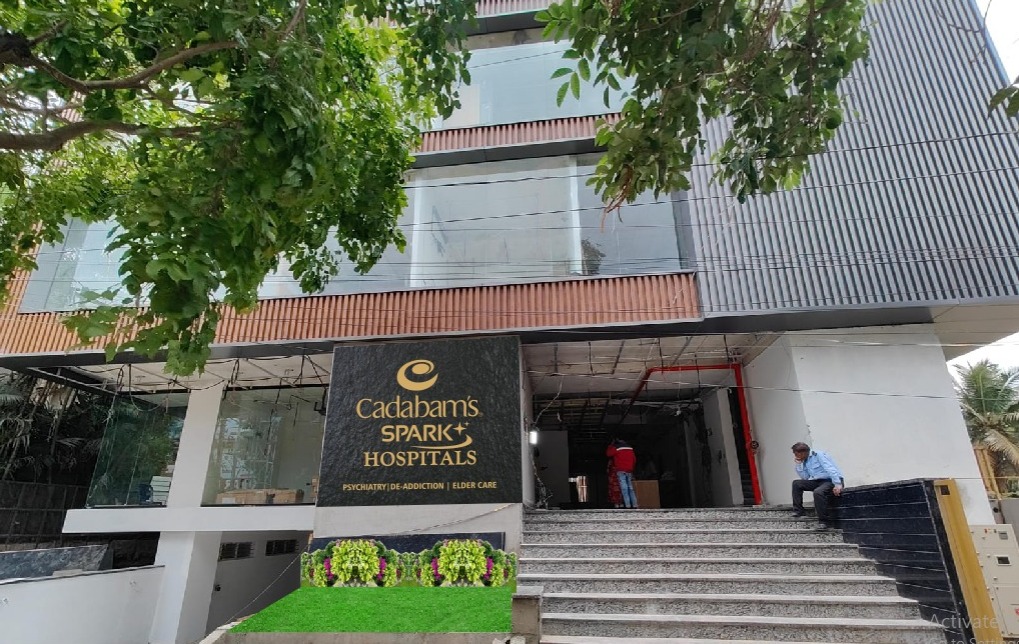
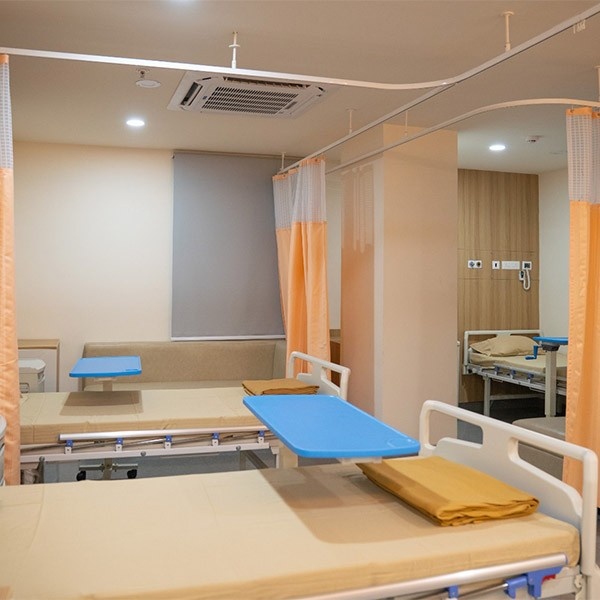
Cadabam’s Spark Hospitals is committed to providing the highest standard of mental healthcare. Our environments are designed to be safe, welcoming, and conducive to healing, ensuring that every family feels comfortable and supported as they engage in the therapeutic process.
Ongoing Guidance and Resources for Families
Recovery is an ongoing journey. We provide families with continued guidance, access to support groups, and educational materials to help them navigate life after formal therapy ends. Our goal is to empower you with lasting skills for a healthy, resilient future.
Take the First Step Towards Healing Together
If your family is impacted by depression, you don’t have to navigate it alone. Contact Cadabam’s Hospitals in Mysore to learn more about our family therapy care plans.
Call us at 090710 35960 or email us at info@cadabamshospitals.com today.
Top Depression Doctors at Cadabam’s Hospitals
Psychiatrist in Hyderabad | Psychiatrist in Mysore | Psychologist in Bangalore | Psychologist in Bangalore | Psychologist in Hyderabad | Psychologist in Mysore | Therapist in Bangalore | Therapist in Hyderabad | Therapist in Mysore
Rehabilitation Centres For Depression at Cadabam’s Hospital
Rehabilitation Care Bangalore | Rehabilitation Care Hyderabad | Rehabilitation Care Mysore
Best Depression Treatments Offered at Cadabams
Counselling Bangalore | Counselling Mysore | Online-Counselling in Bangalore | Online-Counselling in Hyderabad | RTMS Bangalore | RTMS Hyderabad | RTMS Mysore | ECT Therapy Bangalore | ECT Therapy Hyderabad | ECT Therapy Mysore | Group Therapy Bangalore | Group Therapy Hyderabad | Group Therapy Mysore | Biofeedback Bangalore | Biofeedback Hyderabad | Biofeedback Mysore | Neurofeedback Bangalore | Neurofeedback Hyderabad | Neurofeedback Mysore | Family Therapy Bangalore | Family Therapy Hyderabad | Home Services Bangalore | Home Care Hyderabad | Home Care Mysore | PsychoTherapy Bangalore | PsychoTherapy Hyderabad | PsychoTherapy Mysore | CBT Bangalore | CBT Hyderabad | CBT Mysore | REBT Bangalore | REBT Hyderabad | REBT Mysore | Emergency Bangalore | Emergency Hyderabad | Emergency Mysore | Direct Cranial Stimulation Bangalore | Direct Cranial Stimulation Hyderabad | Direct Cranial Stimulation Mysore | Post Rehabilitation Care Bangalore | Post Rehab Care Hyderabad | Post Rehab Care Mysore
More Additional Resources About Depression
Postpartum Depression Signs and Symptoms in Men(And Treatments) | Everything you need to know about Childhood Depression | ADHD & Depression: Connection, Causes, Risk & Treatment | Manic Depression Treatment for Bipolar Disorder | Recognising Depression in Men | Postpartum Depression (PPD) in Women | Distinguishing Anxiety and Depression | Learning to Spot the Manic Depression Symptoms in Adults | Depression in Teens | Key Signs of Suicidal Thoughts in Teens & Young Adults | Bipolar Depression in Children: Signs, Causes & Treatment | How Alzheimer’s and Depression Are Connected | The Connection Between Chronic Pain and Depression | Treatment-Resistant Depression | Sleep Disorders and Depression | Early signs of depression: How to identify it? | Battling Clinical Depression While Parenting | Geriatric Depression | Psychotic Depression
Frequently Asked Questions
What is family therapy for Depression and how does it help?
It’s a form of psychotherapy that involves the whole family to improve communication, resolve conflicts, and create a supportive home environment, which is crucial for the individual’s recovery from depression.
Is family therapy beneficial for all families dealing with Depression?
Yes, it is highly beneficial for most families. It helps family members understand the illness, learn coping strategies, and work as a team, which strengthens relationships and aids the recovery process.
How does family therapy address the stigma associated with Depression?
By educating family members and creating a safe space for open dialogue, therapy helps demystify depression. This process reduces shame and blame, fostering an environment of empathy and acceptance within the family.
What makes family therapy a critical component of Depression treatment?
It addresses the relational and environmental factors that impact mental health. By improving the family system, it reinforces individual therapy, reduces relapse risk, and builds a sustainable support network for long-term wellness.
 Available